
"outer skin"
600 article(s) found

Classification of plant taste of coffee tree
Coffee tree belongs to the evergreen trees of Rubiaceae family. Since ancient times, most plants of Rubiaceae family have special medicinal effects. Quinine tree, which is regarded as a special medicine for malaria, and Dugen, which treats amigo dysentery, are examples. Coffee is positioned as the most unique alkaloid drinking flora. The fruit of coffee is composed of outer skin, pulp, endocarp, silver skin, and seed which is wrapped in the innermost layer by the above layers.
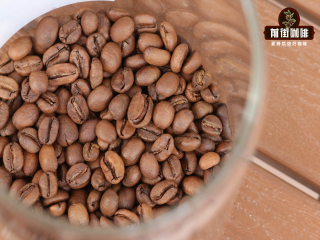
Who is Yega Xuefei Coffee beans suitable for anyone? the right way to drink Yega Xuefei Flavor characteristics of sun and water washing
Professional coffee knowledge exchange more coffee bean information please follow the coffee workshop (Wechat official account cafe_style) feel the charm of good coffee, since Yega Xuefei, Yejia Xuefei is famous for its unique sour flowers, especially suitable for new friends, the new generation who has not been brainwashed by coffee flavor and fragrance

The growth environment and growth process of coffee trees introduce why Chinese people like Starbucks
Coffee beans are fresh and green coffee raw beans, which are obtained by removing red pulp, peel and silver skin from coffee fruit. The structure of coffee fruit is composed of outer skin, pulp, endocarp, silver skin and seeds. The shape is oval, usually the fruit of coffee is composed of two oval seeds opposite each other, and the other side is flat, so it is called flat bean, but it is also made up of

Common sense of coffee blending; coffee blending follows the principle of sweet and sour balance
Different coffee beans have different flavors, depending on their producing areas, processing methods, etc., generally speaking, Latin American coffee beans are more smooth, acidity is more obvious than alcohol, represented by Guatemala beans, mostly for washing, the outer skin of coffee fruit is washed, and the acidity is fermented. On the other hand, the African region, represented by Kenya, has a berry flavor because of its addition.

How much coffee can be produced by each coffee tree? how long does it take to plant coffee?
The first flowering period of the coffee tree is about three years. The five-petal tube-shaped white flowers are filled with a faint scent of jasmine, and the inflorescences are arranged in dense clusters. It will wither after two or three days of flowering and begin to bear fruit after a few months. The fruit is a drupe with a diameter of about 1.5 cm, which is green at first, then turns yellow gradually, and turns red when ripe, so it is very similar to cherries.

What are the characteristics of coffee in Rwanda
Following Kaiping (official Wechat account vdailycom) found that the coffee harvest season for coffee fruits at the beautiful cafe opened its own shop is during the main rainy season in the area, from March to the end of May. During the harvest season, farmers spend most of their day picking coffee fruits by hand. In the afternoon, the farmer held the coffee fruit in a traditional basket made of banana leaves.

Fine Coffee study the forming Environment of Coffee trees
In botany, coffee trees belong to the evergreen trees of the subgenus Rubiaceae, and coffee beans, commonly known as coffee beans, are actually the seeds of the fruit of coffee trees, just because they are shaped like beans. Climate is the decisive factor for coffee cultivation. Coffee trees are only suitable for growing in the tropics or subtropics, so the zone between latitude 25 degrees south and north is generally called coffee belt or coffee area.

What conditions do you need to grow coffee trees?
The planting conditions of coffee trees the origin of coffee trees is in Ethiopia, Africa. In botany, coffee trees belong to the evergreen trees of the subgenus Rubiaceae, and coffee beans, commonly known as coffee beans, are the seeds of the fruit of coffee trees, just because they are shaped like beans, so they are called coffee beans. Climate is the decisive factor for coffee cultivation, and coffee trees are only suitable for growing in the tropics or subtropics.

General knowledge of high-quality coffee planting requirements and conditions of coffee trees
The origin of the coffee tree is Ethiopia in Africa. In botany, coffee trees belong to the evergreen trees of the subgenus Rubiaceae, and coffee beans, commonly known as coffee beans, are actually the seeds of the fruit of coffee trees. They are called coffee beans only because they are shaped like beans. Climate is the decisive factor for coffee cultivation. Coffee trees are only suitable for growing in the tropics or subtropics, so latitude 25 degrees south and north.

Growing in Malaba Coffee Manor in the southern part of Rwanda, Lutshilo in the western province of Chimar Manor.
Malaba Coffee grows in southern Rwanda, about 12 kilometers (7 miles) from the city of Butare and 150 kilometers (93 miles) from the capital, Gejali. The plan began in the Malaba area of Butare province, but was taken over by a local government organization in 2006, which is now part of the Huye district of the southern province. Due to its proximity to the East African Rift Valley and the Neuenway Forest Mountains, the terrain

What is a coffee processing plant? how does a coffee processing plant handle raw beans?
Professional coffee knowledge exchange more coffee bean information Please pay attention to the coffee workshop (Wechat official account cafe_style) Coffee industry is booming, and the audience is also growing exponentially. In recent years, many coffee producers have gone to and from various producing areas, bringing with them a wave of root-seeking culture, plans of origin, direct trade and so on, unveiling this mysterious industry layer by layer. What is coffee?
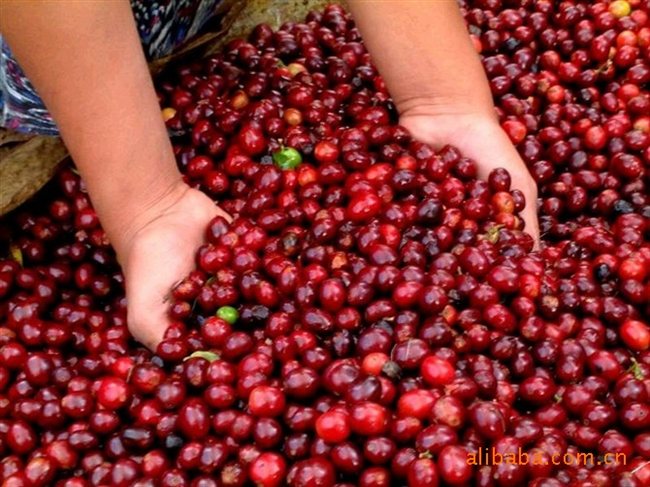
The evolution of coffee from fruit to raw beans to understand the change process of coffee beans
In the middle of the fruit of coffee is a pair of oval seeds, which are covered with outer skin, inner pulp and pulp. Ripe fruit spoils in a short time without treatment. Refining is to remove the skin and pulp of the coffee fruit, and then take out the seeds. Generally speaking, about 1 kg of raw coffee beans can be obtained from 5 kg of coffee fruit. The refining methods include drying type, washing type, and compromise between the two.

How to choose coffee beans what are the characteristics of coffee beans?
Plant classification Coffee tree belongs to the evergreen tree of Rubiaceae. Rubiaceae plants have been dominated by plants with special effects since ancient times, such as quinine tree, which is regarded as a specific drug for malaria, and Dugan, which is used to treat Amiba dysentery. Coffee is defined as the most unique alkaloid drinking flora. The fruit of coffee is made up of outer skin, pulp, endocarp, silver skin, and the species wrapped in the innermost layers mentioned above.

Coffee from fruit to raw bean dry washing semi-washing refined Colombian coffee beans
Coffee changes from fruit to raw bean there is a pair of oval seeds in the middle of the fruit, which are covered with outer skin, inner pulp and pulp. Ripe fruit spoils in a short time without treatment. Refining is to remove the skin and pulp of the coffee fruit, and then take out the seeds. Generally speaking, about 1 kg of raw coffee beans can be obtained from 5 kg of coffee fruit. The refining methods include drying and washing.

How to pick coffee and how to deal with it before it becomes a raw coffee bean?
When the fruit of the coffee tree is picked, the four layers of skin wrapped around the coffee beans need to be removed in order to finally get the coffee beans needed. There are two main methods to remove the outer epidermis of coffee beans: wet treatment and dry treatment. 1. Wet treatment: wet treatment is also called Washed Bean, and coffee beans processed in this way are called water-washed beans.
The growing environment of coffee trees evergreen trees of the subgenus Rubiaceae
The formation environment of coffee trees in botany, coffee trees belong to the evergreen trees of the subgenus Rubiaceae, and coffee beans, commonly known as coffee beans, are actually the seeds of the fruit of coffee trees, just because they are shaped like beans, so they are called coffee beans. Climate is the decisive factor for coffee cultivation. Coffee trees are only suitable for growing in the tropics or subtropics, so the zone between latitude 25 degrees south and north is generally called
Learn the basic concepts of coffee
1. What is coffee (scientific name: Coffea arabica), also known as coffee tree, Arabica coffee, etc., is the national flower of Yemen. Before the 6th century AD, Yemen was called Arabian, so the coffee trees shipped from them to other places were also called Arabian coffee trees. The name coffee comes from the Arabic Qahwah, which means plant drink. Later, coffee spread.

What's so special about coffee? what's so special about coffee?
There are many legends about the discovery of coffee. There is a legend that in the 13th century, there was a prince in Ethiopia who found that his camel loved to eat small oars on a bush, and he was very excited and energetic after eating it. So he also picked some small berry coffee trees (11) to taste, and finally discovered this refreshing coffee drink. Another kind of transmission
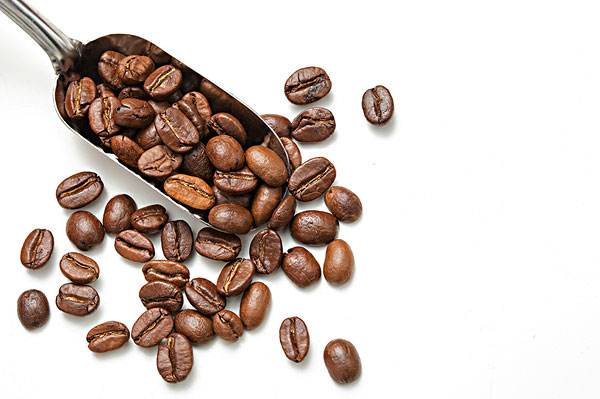
Rwanda Coffee Beer, Rwanda production process
Following Cafe (Wechat official account vdailycom) found that the good Cafe opened a small shop of Rwanda Coffee and Beer in 2003. When PEARL thought the mode of operation was self-sufficient, he gradually reduced the financial support of the Abau Uzam Gamby Cooperative. Cooperatives provide grower loans to help improve their living standards, and can invest in livestock, health insurance and

What are the kinds of coffee beans?
Coffee species Editing Plant Classification Coffee beans Coffee trees belong to Rubiaceae evergreen trees, Rubiaceae plants have been dominated by plants with special effects since ancient times, quinine trees, which are regarded as specific drugs for malaria, and Dugen, which is used to treat amitoeba dysentery. Coffee is defined as the most unique alkaloid drinking flora. The fruit of coffee is made up of outer skin, pulp, endocarp and silver skin.